


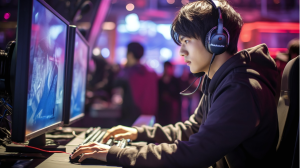
The emergence of esports has changed the way people play games. Competitive game titles, such as those in the last decade, have been in the limelight of gaming culture. Games such as League of Legends, Counter-Strike, and Valorant attract millions of viewers via global tournaments and live streams.
Fans keep track of stats, players, standings, and even patch notes as sports enthusiasts follow football or basketball. But that begs a fair question: aren’t esports the only games that people care enough to follow, analyze, and watch? Or is there a larger and more diverse audience around different types of games?
While competitive gaming does dominate headlines, it’s only part of a much bigger scene. Many players follow games that have nothing to do with professional competition. Some track game updates, in-game progress, story expansions, or creator content. And outside of the major gaming platforms, trusted offshore sites are available, offering secure sportsbooks with wide betting markets and bonuses for users interested in following trends in games, both inside and outside the esports world.
From RPGs to sandbox builders, mobile games to simulation titles, the landscape is much wider than what the esports lens suggests.
RPGs and Story-Based Games
Single-player RPGs don’t require esports tournaments to create massive fan bases. Games like The Witcher 3, Skyrim, and Cyberpunk 2077 have passionate communities. Players spend hours exploring open worlds and delving into deep lore. They wait for new updates, follow patch notes, and follow the developers closely.
When Elden Ring was released, the online hype was enormous. Fans shared boss guides, build ideas, and secret discoveries. A live map tool sprang up within days. YouTubers created breakdowns of hidden mechanics. This shows that you don’t need a scoreboard to keep players invested. People love to follow games with rich stories and challenges.
Simulations and Management Games
Games such as Football Manager, Cities: Skylines, and The Sims also receive serious attention. They aren’t flashy and fast-paced, but are packed with depth. Players track stats, study tactics, and compare results. In Football Manager, some stats are more followed by players in-game than in real-life football.
Communities post together with tips on strategy and career summaries. In such games as RimWorld or Civilization VI, the players use spreadsheets and charts to optimise their gameplay. Streamers create virtual cities, and the audiences are large. Chat is frequently filled with fans arguing about the best way to handle a game. These games may not be about winning in a traditional sense, but they’re no less trackable and rewarding.
Fighting Games and Speedrunning
Fighting games have existed for many years. Titles such as Tekken, Street Fighter, and Super Smash Bros. have fan bases. While some of these games are part of esports, many tournaments are smaller and more grassroots.
Events such as EVO draw thousands of viewers. Fans are vigilant, dissecting frame data, balance patches, and character tier lists. Even small competitions can cause big discussions in these communities.
Speedrunning is another massive scene. Players race to complete games in as quick a time as they can. Sites such as Speedrun.com allow fans to keep track of world records and follow their favorite runners. Games like Super Mario 64 and Hollow Knight have their own fans who know every trick and glitch. Events such as Games Done Quick put the speedrun world on a global stage, and they get a lot of attention and raise a lot of money for charity.
Survival, Horror, and Indie Games
Not every game requires big data and esports infrastructure to have a massive following. Indie titles, such as Among Us, Stardew Valley, and Hades, have proven that the right mix of creative design and engaging gameplay is all you need to create loyal communities. These games gain popularity through influencers and streamers. Players follow updates, mods, and new features like they are part of an evolving saga.
Survival and horror games such as Dead by Daylight, Phasmophobia, and Subnautica also benefit from similar engagement. Fans pore over patch notes, theorycraft new builds, and track progress via developer roadmaps. These games inspire huge amounts of user-generated content, discussion, and shared experiences. Once again, it’s not about winning money or trophies; it’s about shared participation and the desire to master or explore something new.
Mobile and Casual Games
Mobile games get a bad rap, but they have some of the biggest followings in the world. Genshin Impact, Clash Royale, and Pokémon Go all have huge communities. Players follow updates, story content, and character changes. Genshin Impact is particularly known for its detailed guides, tier lists, and frequent updates.
Even such non-sounding titles as Candy Crush or competitive mobile games such as PUBG Mobile have their loyal fans. Players view tips from creators, follow the leaderboard, and get informed about events. In many parts of the world, mobile gaming is the primary method of gaming. The communities are equally active and engaged as those on PC or console.
Minecraft and Sandbox Games
Minecraft is one of the most played games ever. It may not sound like a competitive game, but there are a lot of trackable elements. Players construct in survival servers, go head-to-head in build contests, and even race to accomplish some challenges. There’s a whole culture around watching people build, explore, and innovate.
Players follow creators who create amazing worlds or create clever redstone machines. It’s not about high scores, it’s about imagination and skill. Games such as Terraria, Roblox, and Garry’s Mod are no different. Their players keep up with new content, mods, and community servers. These updates influence the way the game is played and keep fans coming back.
The Bigger Picture
Esports are popular, but they’re just one part of the way people interact with games. In all genres, players find ways to monitor progress, stay informed, and stay connected. Whether it’s exploring a new RPG, building a perfect city, or finishing a game faster than anyone else, there’s always something to follow.
Gaming is not all about competition. It’s about community, curiosity, and creativity. That’s what keeps people engaged, that’s what keeps gaming growing.